Finding the right tutor can significantly improve a student's academic performance, confidence, and learning experience. Whether you're preparing for school exams, board exams, competitive entrance tests like JEE or NEET, or simply need extra support in a particular subject, choosing the right tutor is essential.
With thousands of tutors available both online and offline, it's easy to feel overwhelmed. This guide will help you understand how to find the best tutor near you and what factors to consider before making a decision.
Why Hiring the Right Tutor Matters
A good tutor does more than explain textbook concepts. They help students:
Build confidence in difficult subjects
Improve academic performance
Develop better study habits
Prepare effectively for exams
Receive personalized attention
Stay motivated throughout the academic year
The right tutor can make learning more enjoyable and productive.
Types of Tutors Available
Home Tutors
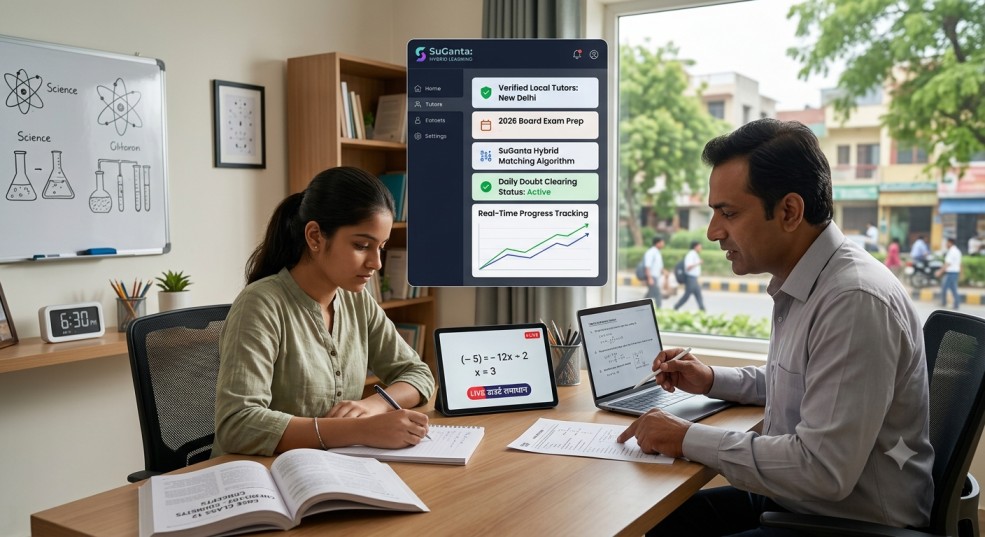
Home tutors visit the student's home and provide one-on-one instruction.
Advantages
Personalized learning
Flexible schedules
Individual attention
Comfortable learning environment
Better parent-teacher communication
Best for students who require focused guidance.
Online Tutors
Online tutoring has become increasingly popular due to its flexibility.
Benefits
Learn from anywhere
Access to experienced teachers nationwide
Recorded sessions
Flexible timings
Lower travel costs
Ideal for students with busy schedules or those living in remote areas.
Coaching Institutes
Coaching centers are suitable for students preparing for competitive examinations.
They generally offer:
Structured curriculum
Regular mock tests
Group discussions
Doubt-solving sessions
Performance tracking
Step 1: Identify Your Learning Goals
Before searching for a tutor, ask yourself:
Which subject do I need help with?
Do I need exam preparation?
Am I struggling with basic concepts?
Do I need homework assistance?
What is my budget?
Having clear goals makes it easier to choose the right tutor.
Step 2: Search on Trusted Tutor Platforms
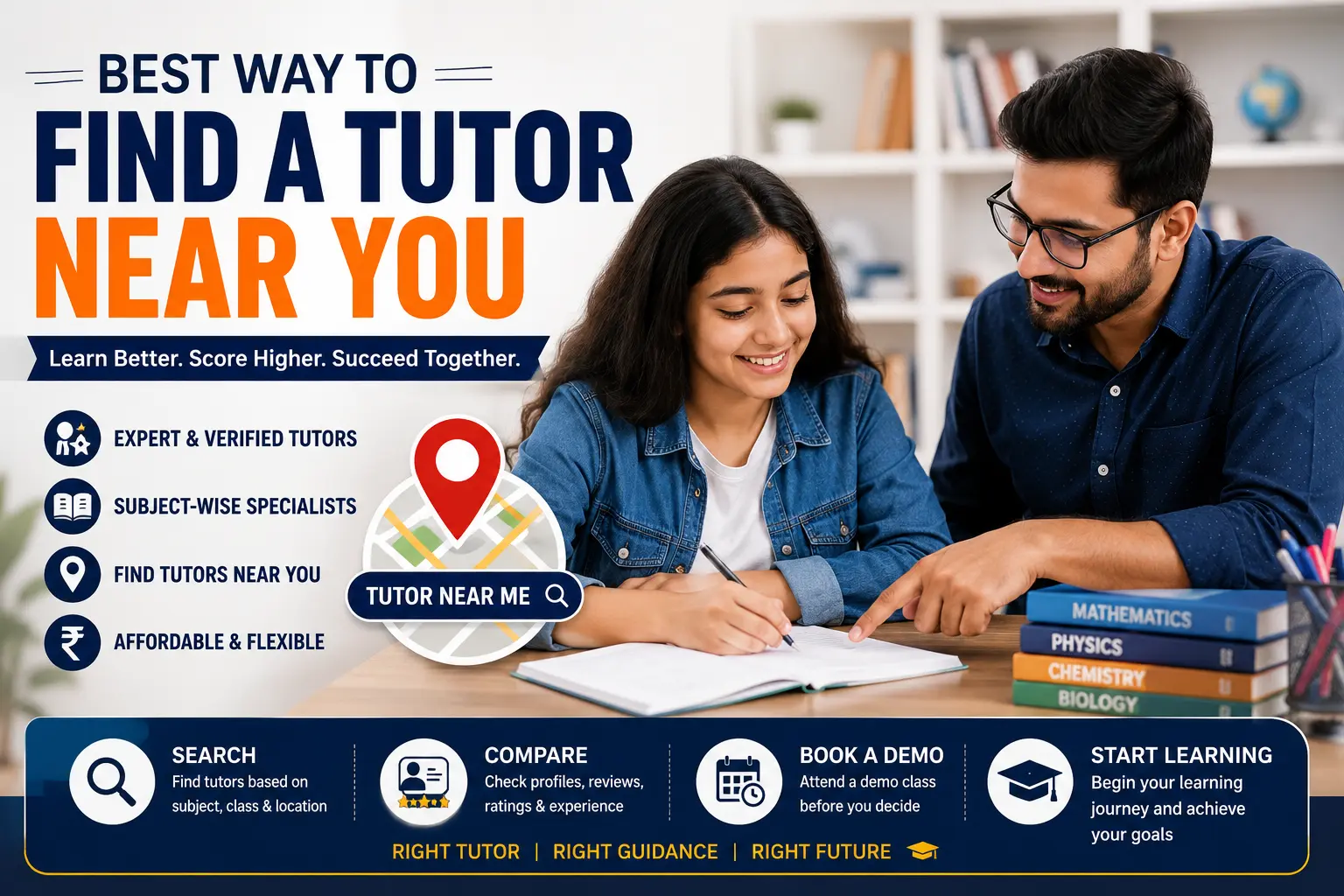
Reliable tutor platforms help you compare tutors based on qualifications, reviews, experience, and fees.
Look for platforms that offer:
Verified tutor profiles
Student reviews
Free demo classes
Secure payment options
Subject-wise filtering
Step 3: Check Qualifications
Always verify:
Educational background
Teaching certifications
Years of experience
Subject expertise
Board specialization (CBSE, ICSE, State Board, IB)
An experienced tutor is better equipped to explain concepts in multiple ways.
Step 4: Read Student Reviews
Reviews provide valuable insights into:
Teaching style
Punctuality
Communication skills
Subject knowledge
Student satisfaction
Choose tutors with consistently positive feedback.
Step 5: Ask for a Demo Class
A demo session helps you evaluate:
Teaching methods
Communication
Student engagement
Doubt-solving skills
Compatibility with the student's learning style
Never hire a tutor without experiencing at least one demo class.
Step 6: Compare Fees
Tutoring fees vary depending on:
Experience
Subject
Location
Grade level
Session duration
Home vs Online
Instead of choosing the cheapest tutor, focus on value for money.
Step 7: Evaluate Teaching Style
Every student learns differently.
A good tutor should:
Encourage questions
Explain concepts clearly
Use practical examples
Provide regular assessments
Adapt lessons based on student progress
Step 8: Check Availability
Ensure the tutor's schedule matches yours.
Discuss:
Class timings
Weekend availability
Exam-time support
Extra revision sessions
Holiday classes
Consistency is essential for effective learning.
Step 9: Monitor Progress
A quality tutor tracks improvement through:
Weekly tests
Homework reviews
Progress reports
Parent feedback sessions
Performance analysis
Regular monitoring ensures students stay on track.
Questions to Ask Before Hiring a Tutor
How many years of teaching experience do you have?
Which boards and subjects do you specialize in?
Do you provide study materials?
How do you track student progress?
What are your class timings?
Do you offer a free demo class?
What are your fees and payment terms?
Can you share references or student testimonials?
Red Flags to Watch Out For
Avoid tutors who:
Refuse to provide qualifications
Avoid demo classes
Have poor communication
Miss classes frequently
Cannot explain concepts clearly
Lack student references
Benefits of Hiring a Local Tutor
Choosing a tutor near your location offers several advantages:
Reduced travel time
Easier scheduling
Better availability for urgent sessions
Face-to-face interaction
Improved parent communication
Home Tutor vs Online Tutor
| Feature | Home Tutor | Online Tutor |
|---|---|---|
| One-on-One Attention | Excellent | Excellent |
| Travel Required | No | No |
| Flexibility | Moderate | High |
| Cost | Higher | Often Lower |
| Access to Tutors | Local | Nationwide |
| Recorded Sessions | Usually No | Often Yes |
Tips for Parents
Parents should:
Attend the first class
Set clear learning goals
Monitor progress regularly
Encourage consistent attendance
Communicate openly with the tutor
A collaborative approach between parents and tutors leads to better results.
Conclusion
Finding the best tutor near you requires careful research and planning. Focus on qualifications, experience, teaching style, reviews, and compatibility rather than price alone. A tutor who understands the student's needs and learning pace can make a significant difference in academic success and confidence.
Whether you choose a home tutor, an online tutor, or a coaching institute, investing time in selecting the right educator is an investment in the student's future.
Frequently Asked Questions (FAQs)
1. How do I find the best tutor near me?
Use trusted tutor platforms, ask for recommendations, read reviews, compare qualifications, and attend a demo class before making a decision.
2. Should I choose a home tutor or an online tutor?
Home tutors are ideal for personalized, in-person learning, while online tutors offer greater flexibility and access to a wider range of experts.
3. How much does a private tutor cost?
Fees vary based on the subject, grade level, tutor experience, location, and whether sessions are conducted online or at home.
4. Is a demo class important?
Yes. A demo class allows you to assess the tutor's teaching style, communication skills, and compatibility with the student's learning needs.
5. What qualities should I look for in a tutor?
Look for strong subject knowledge, teaching experience, patience, clear communication, adaptability, and positive student reviews.